Why Gen-Z has lower IQ level
The Great IQ Debate: Is Gen Z Actually Getting “Duller”?
For nearly a century, human intelligence scores climbed steadily—a phenomenon known as the Flynn Effect. But for the first time in history, the curve is bending downward. Recent data suggests that Gen Z is experiencing a “Reverse Flynn Effect,” sparking a massive debate: Is technology making us less intelligent, or just differently wired?
The Shift: What the Data Says
Recent studies, including a major 2023 report from Northwestern University, show that while some cognitive skills are sharpening, others are in a freefall. It’s a specialized trade-off rather than a total decline.
- The Declines: Scores in verbal reasoning, visual problem-solving, and computational math have seen a measurable dip.
- The Gains: Interestingly, spatial reasoning—the ability to visualize and manipulate 3D objects—is actually on the rise, likely thanks to gaming and complex digital interfaces.
“We aren’t seeing a drop in raw potential, but a shift in application. The modern brain is moving from ‘internal storage’ to ‘cloud-based processing.'”
Why the Change?
It isn’t that Gen Z lacks brainpower; it’s that their environment rewards different skills. Here are the three primary culprits:
1. Cognitive Outsourcing
Why memorize a date or a formula when Google is in your pocket? The brain is a master of efficiency; if it doesn’t need to store data internally, it won’t.
2. The Attention Economy
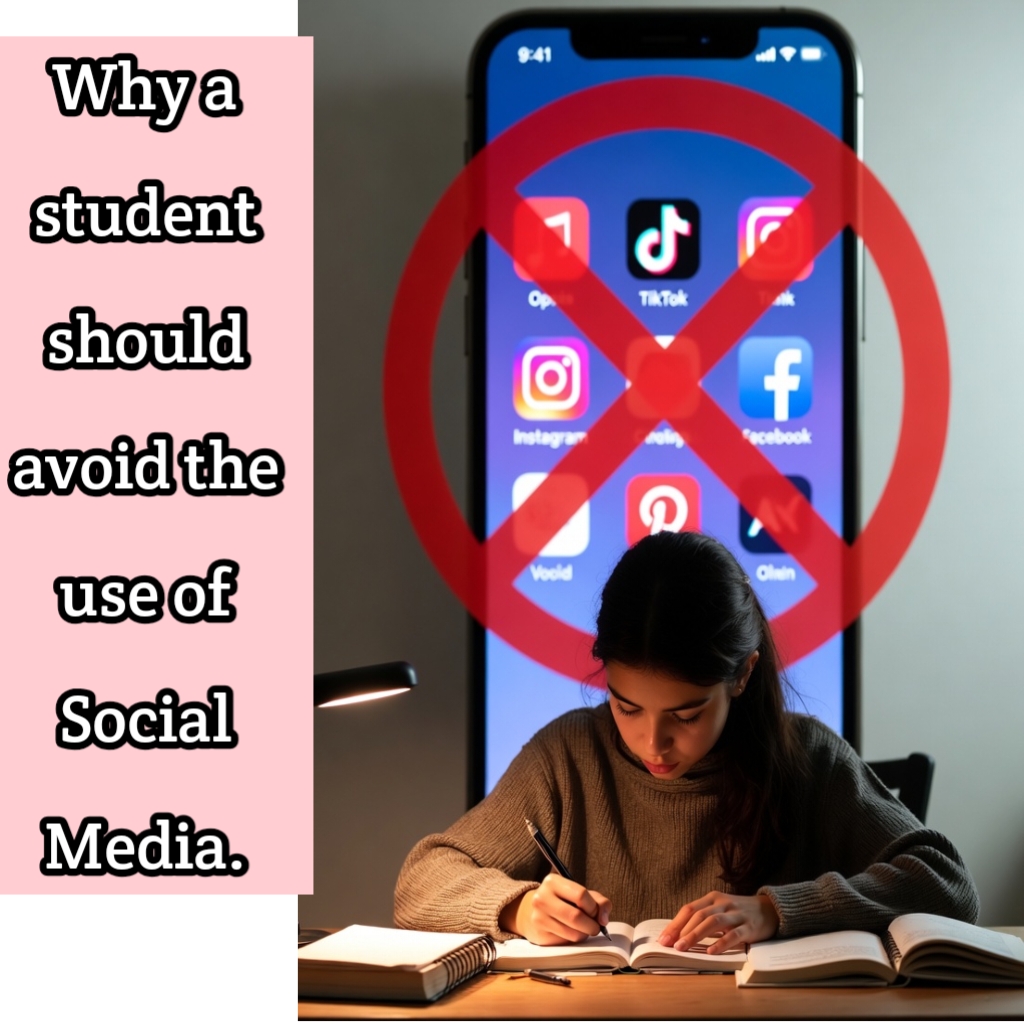
Short-form media (TikTok/Reels) rewards rapid-fire context switching. Traditional IQ tests require deep, sustained focus—a skill that is physically being “pruned” in favor of speed.
3. Educational Evolution
Modern schools are moving away from rote memorization. If students aren’t using the “logic muscles” required for manual calculation or complex syntax, those specific test scores will naturally drop.
The Verdict
Gen Z is the most technologically fluent generation in history. They are trading deep thinking for wide thinking. In a world where AI can handle the logic, the real question isn’t whether IQ is dropping—it’s whether IQ tests are still the right way to measure human potential in 2026.
What do you think? Are we getting “dumber,” or are we just evolving past the need for 20th-century testing? Let us know in the comments.