Why younger generation is addiction to motivation
The Dopamine of Displacement: A Psychological Analysis of Motivational Salience in Modern YouthIn contemporary digital ecosystems, a peculiar behavioral pattern has emerged among the younger demographic: the compulsive consumption of “motivational” content. While seeking inspiration is a historical human trait, the current intensity and frequency of this behavior suggest a shift from occasional encouragement to a psychological dependency.From a clinical perspective, this phenomenon can be categorized as a form of affective forecasting error—where individuals repeatedly over-estimate how a future event (or a piece of content) will improve their emotional state, leading to a cycle of “passive accomplishment.”
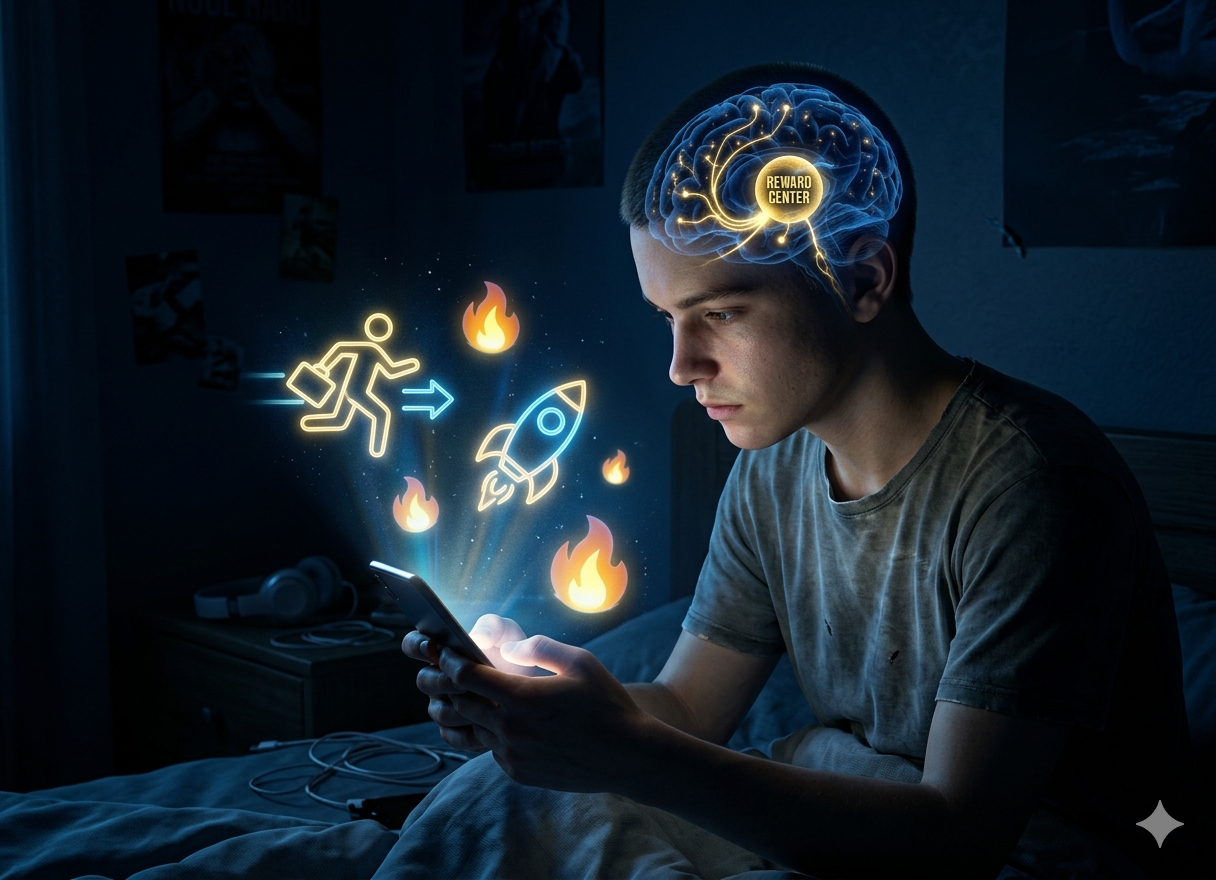
1. The Neurobiology of the “Proxy Win”The primary driver behind motivational addiction is the brain’s reward system. When a young adult watches a high-energy video or reads a success manifesto, the brain releases dopamine, the neurotransmitter associated with reward and anticipation.This creates what psychologists call a “Proxy Win.” The brain struggles to-differentiate between the intent to succeed and the action of succeeding. By consuming the content, the individual feels the emotional high of achievement without having exerted the cognitive or physical effort required to reach a goal.
2. Existential Anxiety and the “Certainty” IndustryThe modern world presents an unprecedented level of choice and economic volatility. For the younger generation, this “Paradox of Choice” often leads to analysis paralysis.Motivational content serves as a psychological defense mechanism against existential dread. It offers: * Reductive Logic: Complex life problems are framed as simple issues of “hustle” or “mindset.” * External Validation: It provides a temporary sense of belonging to a “high-achiever” ingroup. * Cognitive Comfort: It replaces the terrifying ambiguity of the future with a scripted narrative of guaranteed success.
3. The Cycle of Passive ProcrastinationPerhaps the most damaging aspect of this addiction is Productive Procrastination. This occurs when an individual engages in low-value activities (watching 10 videos on “how to wake up at 5 AM”) to avoid high-value, high-anxiety tasks (actually starting the work).As the dopamine spike from the video fades, the individual is met with the same reality they were avoiding, leading to a “come down” of guilt and inadequacy. To escape this negative affect, they return to the source of the initial high—more motivational content—effectively creating a closed-loop system of stagnation.Conclusion: Moving from Arousal to ActionTo break the cycle, the focus must shift from emotional arousal to volitional action. True psychological growth occurs in the “boredom” of the grind, not the high of the highlight reel. For the young generation to reclaim their agency, they must learn to tolerate the discomfort of the “unmotivated” state, understanding that discipline is a functional tool, whereas motivation is merely a fleeting emotional byproduct.